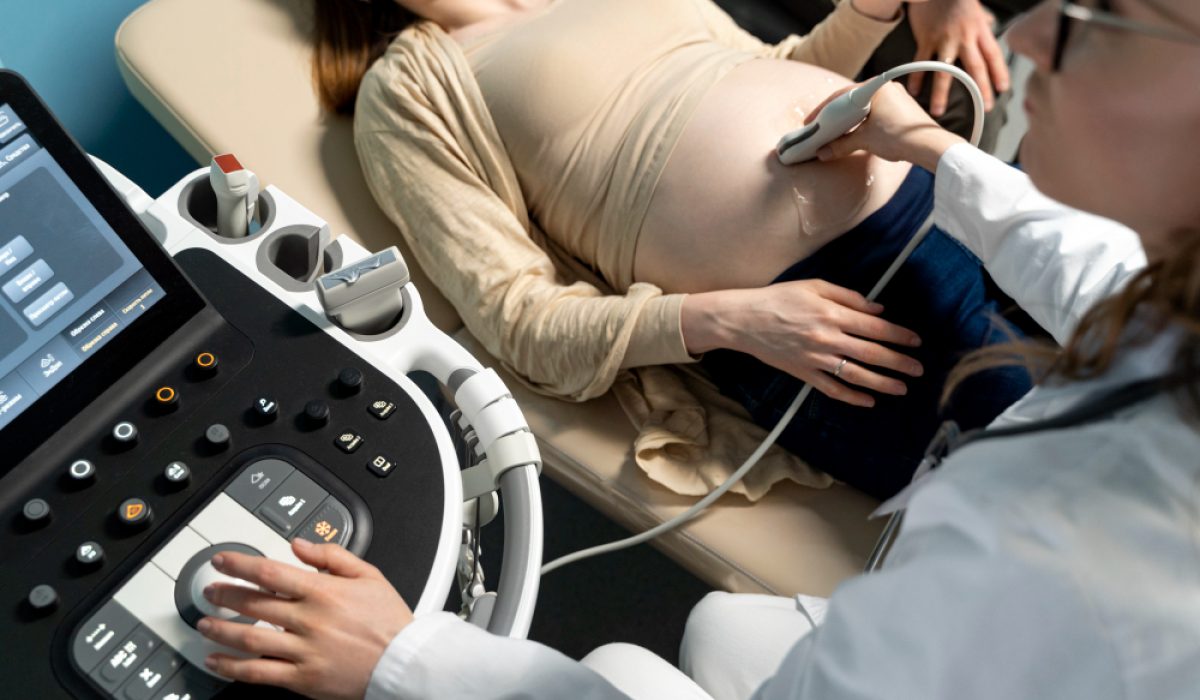
What Are High-Risk Pregnancies?
High-risk pregnancies are those with a greater chance of problems for the mother or baby. Many reasons can make a pregnancy high-risk. For example, the mother may have health issues like diabetes or high blood pressure. Sometimes, problems with the baby or the placenta can also make a pregnancy high-risk. Because of these risks, doctors often use special tools to watch the baby’s growth and health closely.
Why Is Advanced Imaging Important?
Advanced imaging in high-risk pregnancies helps doctors see inside the womb. This allows them to spot problems early. As a result, they can plan the best care for both mother and baby. For instance, advanced imaging can show if the baby is growing well or if there are any birth defects. In many cases, early detection leads to better outcomes. Therefore, advanced imaging is a key part of managing high-risk pregnancies.
Types of Advanced Imaging Techniques Used
Doctors use several advanced imaging techniques to check on high-risk pregnancies. Each method has its own benefits and uses. Below are the most common types:
How Advanced Imaging Helps in Managing High-Risk Pregnancies
Advanced imaging gives doctors important information. For example, it can show if the baby is growing too slowly. It can also help find birth defects early. Because of this, doctors can plan treatments or even surgery before birth. In some cases, advanced imaging helps decide the best time and way to deliver the baby. This can lower risks for both mother and child. In addition, regular imaging checks can give peace of mind to parents.
Safety and Risks of Advanced Imaging
Many parents worry about the safety of advanced imaging. However, most tests like ultrasound are very safe. They do not use radiation. Fetal MRI is also safe because it does not use X-rays. Still, doctors only use these tests when needed. Sometimes, extra imaging may be needed for high-risk pregnancies. But, the benefits often outweigh the small risks. Always talk to your doctor about any concerns. According to the CDC and WHO, these tests are safe when done by trained experts.
Frequently Asked Questions (FAQ)
Prevention and Lifestyle Guidance for Expectant Mothers
Even in high-risk pregnancies, you can take steps to stay healthy. For instance, eat a balanced diet and take prenatal vitamins. Also, attend all your doctor visits and follow their advice. If you have a health condition, keep it under control. Avoid smoking, alcohol, and drugs. In addition, try to manage stress and get enough rest. These steps can help lower risks for you and your baby.
In summary, advanced imaging in high-risk pregnancies plays a key role in keeping mothers and babies safe. If you have questions or concerns, consult a fetal medicine specialist for personalized advice on advanced imaging in high-risk pregnancies.