What is a Follicular Monitoring Scan?
A follicular monitoring scan is a simple ultrasound test. Doctors use it to track the growth of egg follicles in the ovaries. This scan is also called a follicular tracking ultrasound or ovulation monitoring test. It helps check when the egg is ready for release. Many women have this scan as part of fertility care.
Why is a Follicular Monitoring Scan Done?
Doctors use this scan for several reasons. First, it helps find the best time for pregnancy. Second, it checks if the ovaries are working well. Third, it guides fertility treatments like IVF or IUI. In addition, it can help diagnose ovulation problems. Overall, the scan gives important information about your fertility health.
How is the Procedure Performed?
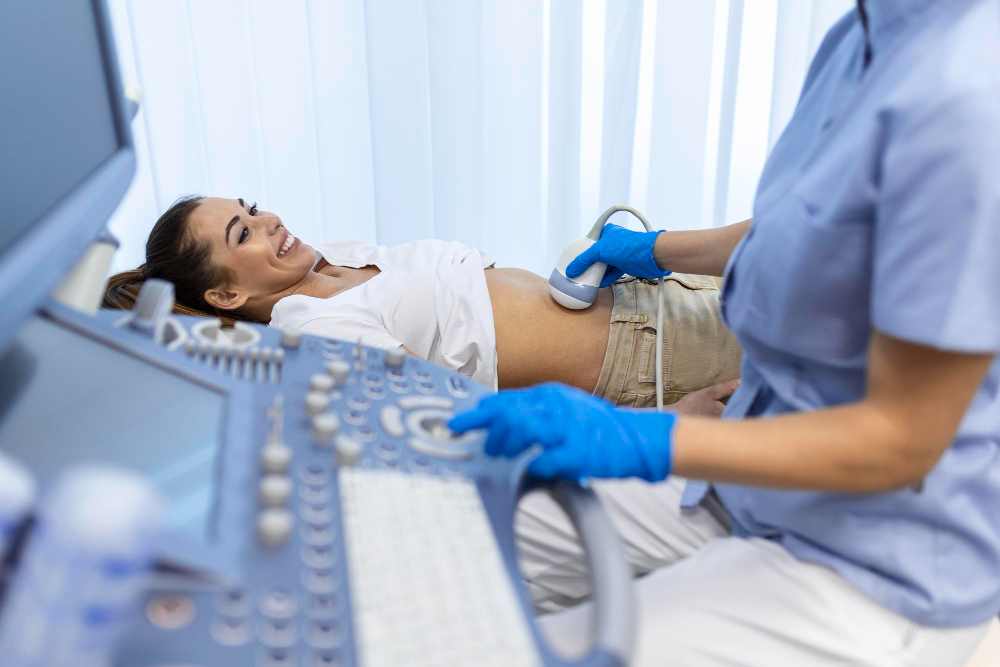
The follicular monitoring scan is a safe and quick procedure. Usually, it is done with a transvaginal ultrasound. Here is a step-by-step guide:
Usually, the scan takes about 10 to 15 minutes. Sometimes, you may need several scans during your cycle to track changes.
What to Expect Before, During, and After the Scan
Before the Scan
Often, no special preparation is needed. However, your doctor may ask you to come with a full bladder for some scans. Always follow your clinic’s instructions.
During the Scan
During the scan, you may feel mild pressure, but it should not hurt. The doctor will explain each step. If you feel any discomfort, let them know right away.
After the Scan
After the scan, you can return to your normal activities. There is no downtime. The doctor will discuss the results and next steps with you.
Who Should Consider a Follicular Monitoring Scan?
Many women benefit from this scan. You may need it if you:
Additionally, your doctor may suggest this scan if you have unexplained infertility.
Risks and Safety Considerations
Follicular monitoring scans are very safe. The ultrasound uses sound waves, not radiation. Most women do not have any side effects. Rarely, you may feel mild discomfort during the scan. However, there are no long-term risks. According to the World Health Organization (WHO), ultrasound scans are safe for reproductive health.
Frequently Asked Questions (FAQs)
Tips for Preparing for the Scan
By following these tips, you can feel more at ease during your fertility scan procedure.
When to Consult a Specialist
If you have trouble getting pregnant or have irregular cycles, talk to a fertility specialist. Early help can improve your chances. Also, if you have questions about the follicular monitoring scan, your doctor can guide you. Remember, each person’s needs are different. A specialist can offer advice that fits your situation.
Consult a specialist for personalized guidance on follicular monitoring scans.