
What Is an Ultrasound TVS Pelvis?
Ultrasound TVS pelvis is a safe and simple test. TVS stands for transvaginal sonography. This test uses sound waves to make pictures of the organs in your pelvis. Doctors often use it to look at the uterus, ovaries, and other nearby areas. Unlike regular pelvic ultrasound, the TVS scan uses a small probe placed inside the vagina. Because of this, it gives clearer images. Many women have this test for different reasons. It is also called a transvaginal ultrasound pelvis.
Why Is It Performed? Indications and Benefits
Doctors recommend ultrasound TVS pelvis for many reasons. For example, it helps find the cause of pelvic pain or unusual bleeding. It can also check for cysts, fibroids, or other growths. Sometimes, it helps monitor early pregnancy or check for problems with fertility. In addition, TVS scan benefits include:
Because of these benefits, doctors often choose this test when they need detailed information.
How Is the Procedure Done? Step-by-Step, Preparation, and What to Expect
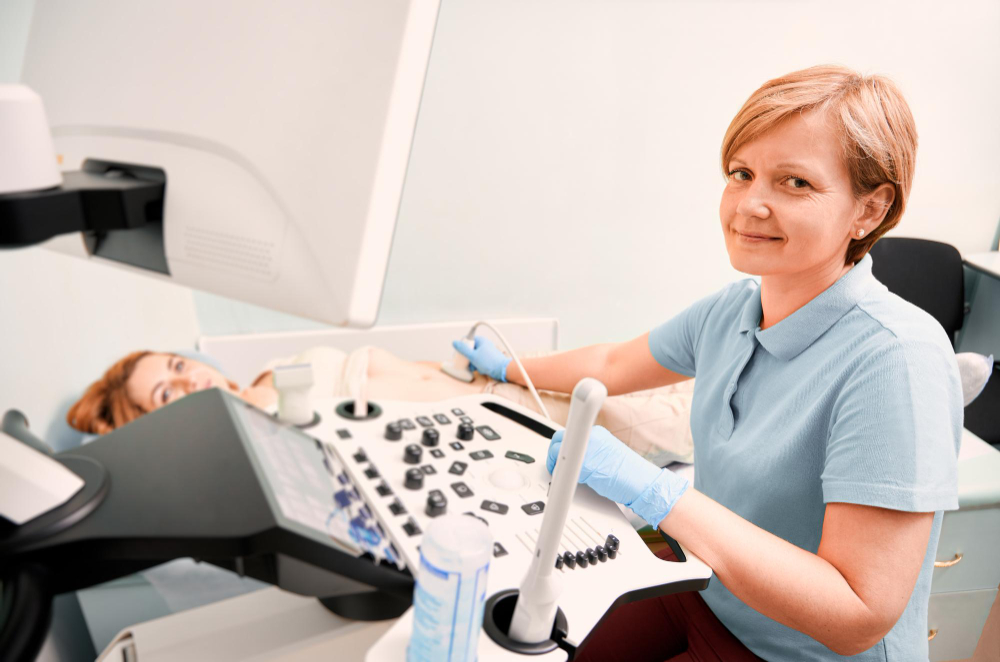
Before the pelvic ultrasound procedure, you may be asked to empty your bladder. This makes the test more comfortable. Next, you will lie on an exam table. A doctor or trained technician will explain each step. First, they cover a thin probe with a special gel and a cover. Then, they gently insert the probe into the vagina. You may feel slight pressure, but it should not hurt. The probe sends sound waves to create images on a screen. The whole test usually takes about 15 to 30 minutes. After the scan, you can get dressed and go home right away. If you wonder what to expect during TVS pelvis ultrasound, remember that most people find it easy and quick.
Safety and Accuracy
Ultrasound TVS pelvis is very safe. It does not use X-rays or radiation. According to the World Health Organization (WHO), ultrasound is safe for most people. The test is also very accurate for finding many pelvic problems. Because the probe is close to the organs, it gives clear pictures. However, sometimes more tests may be needed for a full diagnosis.
Common Findings and What They Mean
Doctors use the transvaginal ultrasound pelvis to look for many things. Some common findings include:
If the doctor finds something unusual, they will explain what it means. Sometimes, they may suggest more tests or treatment.
Aftercare and Follow-Up
After the ultrasound TVS pelvis, you can return to normal activities. There is no recovery time needed. Usually, you will get your results soon. If the doctor finds anything important, they will discuss the next steps. Sometimes, a follow-up scan or other tests may be needed. Always ask your doctor if you have questions about your results.
Frequently Asked Questions
Conclusion
Ultrasound TVS pelvis is a safe and helpful test for many women. It gives clear images and helps doctors find the cause of symptoms. If you need this test, do not worry. It is quick, safe, and usually painless. Consult a qualified specialist for personalized advice about ultrasound TVS pelvis.