
Introduction
Ultrasound KUB is a safe and simple test that helps doctors see your kidneys, ureters, and bladder. This non-invasive diagnostic test uses sound waves to create images. Because it does not use radiation, it is safe for most people. Ultrasound KUB is important for finding problems in the urinary tract quickly and easily.
What is an Ultrasound KUB?
KUB stands for Kidneys, Ureters, and Bladder. An ultrasound KUB is a type of kidney ultrasound and bladder scan. It uses a small device called a probe. The probe sends sound waves into your body. These waves bounce back and create pictures of your urinary tract organs. Doctors use these images to check for any issues or changes in your kidneys, ureters, or bladder.
Why is Ultrasound KUB Done?
Doctors may suggest an ultrasound KUB for many reasons. Often, it helps find the cause of symptoms or check for certain conditions. For example, you may need this test if you have pain, blood in your urine, or trouble urinating. Here are some common reasons for this test:
Preparation for the Test
Preparing for an ultrasound KUB is simple. However, following your doctor’s instructions is important. Usually, you may be asked to drink water before the test. A full bladder helps create clearer images. You may also need to avoid urinating until after the scan. In most cases, you do not need to stop eating or drinking. But, always check with your healthcare provider for specific instructions.
The Procedure
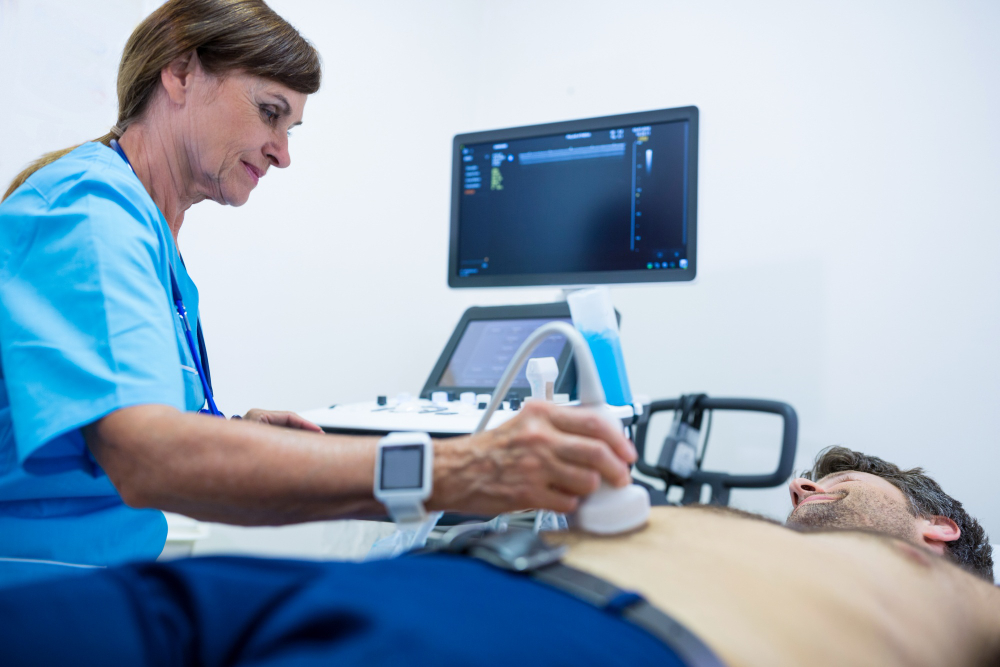
During the ultrasound KUB, you will lie on a table. First, a clear gel is placed on your belly. This gel helps the probe move smoothly and improves the images. Next, the technician moves the probe over your skin. You may feel slight pressure, but it should not hurt. The test usually takes about 20 to 30 minutes. After the scan, the gel is wiped off, and you can return to your normal activities right away.
What to Expect After the Test
After the ultrasound KUB, you can go home or back to work. There is no recovery time needed. Most people feel fine right after the test. The doctor will review your images and explain the results. Sometimes, results are ready the same day. Other times, you may need to wait a few days. If the test finds a problem, your doctor will discuss the next steps with you.
Benefits and Risks
Ultrasound KUB offers many benefits. For instance, it is safe, painless, and does not use radiation. It gives quick results and helps doctors make fast decisions. However, like any test, it has some limits. Sometimes, very small stones or growths may not be seen. The risks are very low. Rarely, you may feel mild discomfort from the probe or gel, but this goes away quickly.
Frequently Asked Questions
Conclusion and Call-to-Action
In summary, ultrasound KUB is a safe and helpful way to check your kidneys, ureters, and bladder. It helps doctors find and treat urinary tract problems early. If you have symptoms or concerns, consult a specialist for personalized guidance regarding ultrasound KUB.