What is NIPT (Non-Invasive Prenatal Test)?
NIPT, or Non-Invasive Prenatal Test, is a safe blood test for pregnant women. It checks for certain genetic conditions in a baby before birth. Because it uses a simple blood sample, there is no risk to the baby. Many parents choose NIPT as part of their prenatal screening options. This test looks for conditions like Down syndrome, Edwards syndrome, and Patau syndrome.
How Does NIPT Work?
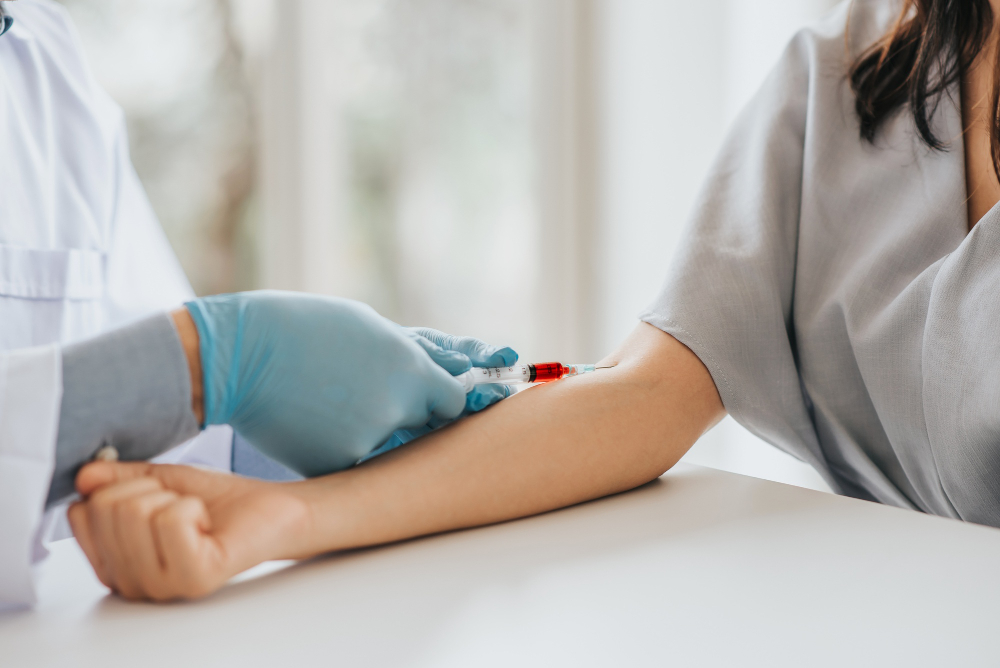
During pregnancy, small pieces of the baby’s DNA are found in the mother’s blood. NIPT uses this DNA to check for changes in the baby’s chromosomes. First, a healthcare provider takes a blood sample from the mother. Then, a lab examines the sample for signs of genetic conditions. Results are usually ready in one to two weeks. Because the test is non-invasive, there is no need for needles near the baby.
Who Should Consider NIPT?
Many women can choose NIPT, but some may benefit more. For example, women over age 35, those with a family history of genetic conditions, or women with abnormal ultrasound results may be advised to have NIPT. However, any pregnant woman can ask about this test. It is important to talk with your doctor about your options.
Benefits and Limitations of NIPT
NIPT offers many benefits, but it also has some limits. Here are a few key points:
How to Prepare for NIPT
Preparing for NIPT is simple. Usually, you do not need to fast or change your routine. However, it is wise to talk with your doctor about the test. They can explain what to expect and answer your questions. Bring any family medical history to your appointment, as this can help guide your care.
Understanding NIPT Results
After the test, your doctor will share the results. If the result is “low risk,” it means the chance of certain genetic conditions is small. If the result is “high risk,” there may be a higher chance of a condition. However, a high-risk result does not mean your baby will have the condition for sure. In this case, your doctor may suggest more tests, like amniocentesis, to confirm the result.
Safety and Accuracy of NIPT
NIPT is very safe because it only uses a blood sample from the mother. There is no risk to the baby. According to the CDC and WHO, NIPT is highly accurate for detecting Down syndrome and similar conditions. Still, no test is perfect. Sometimes, results can be unclear or incorrect. For this reason, doctors may recommend follow-up tests if needed.
Frequently Asked Questions About NIPT
When to Consult a Healthcare Provider
If you are pregnant and want to know more about NIPT, talk to your doctor. They can help you decide if non-invasive prenatal testing is right for you. Remember, every pregnancy is unique. Your doctor can guide you through your prenatal screening options and answer any questions.
For personalized guidance on NIPT (Non-Invasive Prenatal Test), consult a specialist today.