What is an Anomaly Scan?
An anomaly scan is a detailed ultrasound done during pregnancy. It checks your baby’s growth and looks for any physical problems. Often, people call it the mid-pregnancy ultrasound or fetal anomaly scan. This scan helps doctors see your baby’s organs, bones, and body parts. Because it gives important information, many parents look forward to this step.
Why is an Anomaly Scan Important?
First, an anomaly scan helps find birth defects early. It can spot problems with the baby’s heart, brain, spine, or other organs. Also, it checks the placenta and amniotic fluid. Early detection means doctors can plan care or treatment if needed. Sometimes, knowing about a problem early helps parents prepare. According to the World Health Organization (WHO), early scans improve pregnancy outcomes.
When is an Anomaly Scan Performed?
Usually, doctors do the anomaly scan between 18 and 22 weeks of pregnancy. This timing is best because the baby’s organs are developed enough to see clearly. In some clinics, you may hear it called the 20-week scan. If you are in a city like Mumbai or Delhi, most hospitals follow this schedule. However, your doctor will guide you on the exact timing.
What Happens During the Procedure?
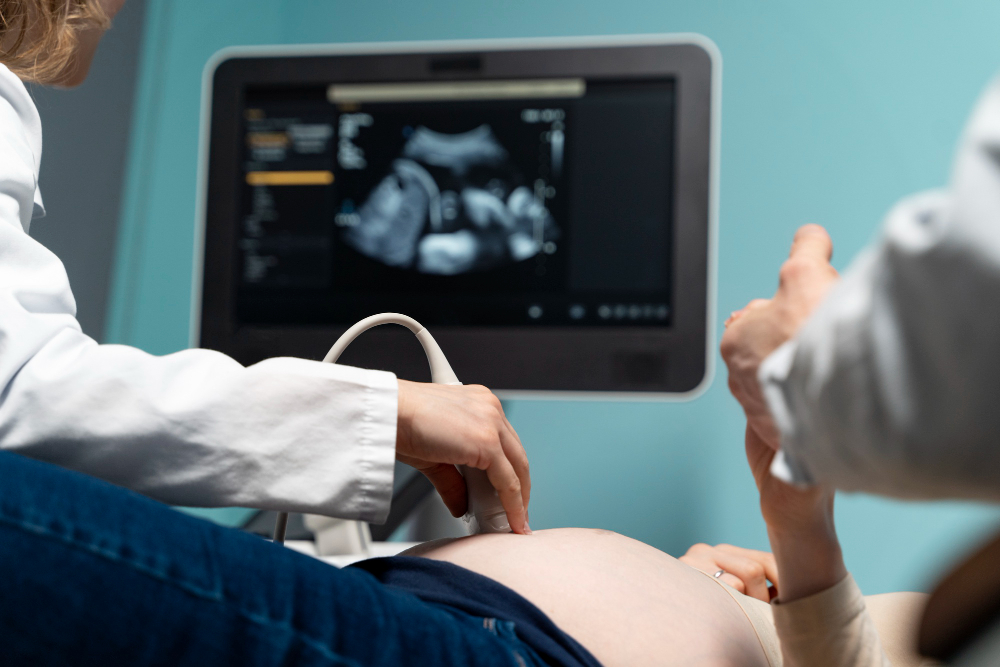
During the fetal anomaly scan procedure, you will lie on a bed. A gel is put on your belly to help the ultrasound device move smoothly. The technician moves a small probe over your skin. This sends sound waves to create pictures of your baby. You may see your baby’s face, hands, and feet on the screen. The scan usually takes 20 to 40 minutes. Most of the time, it is painless and safe.
How to Prepare for an Anomaly Scan
Getting ready for an anomaly scan is simple. Here are some tips:
Usually, you do not need to fast or stop any medicines. Always follow your healthcare provider’s advice.
Benefits and Limitations
There are many benefits to having an anomaly scan:
However, there are some limitations:
Still, the anomaly scan is a key part of prenatal care. The Centers for Disease Control and Prevention (CDC) also supports regular scans for healthy pregnancies.
Frequently Asked Questions (FAQs)
Conclusion
In summary, an anomaly scan is an important part of pregnancy care. It checks your baby’s health and helps spot problems early. For the best advice, consult your healthcare provider about anomaly scans and what to expect.