
What is the Quadruple Marker Test?
The quadruple marker test is a blood test done during pregnancy. It helps check the risk of certain birth defects in the baby. Doctors often suggest this test between weeks 15 and 20 of pregnancy. The quadruple marker test measures four substances in the mother’s blood. These substances are:
Because this test is non-invasive, it is safe for both mother and baby. Many parents want to know about their baby’s health early. Therefore, the quadruple marker test is a common choice.
Why is the Quadruple Marker Test Done?
Doctors use the quadruple marker test to look for possible problems in the baby. For example, it can help find the risk of:
However, this test does not diagnose these conditions. Instead, it shows if the risk is higher or lower. If the risk is high, doctors may suggest more tests. Because early detection is important, this test helps parents and doctors plan ahead.
How is the Quadruple Marker Test Performed?
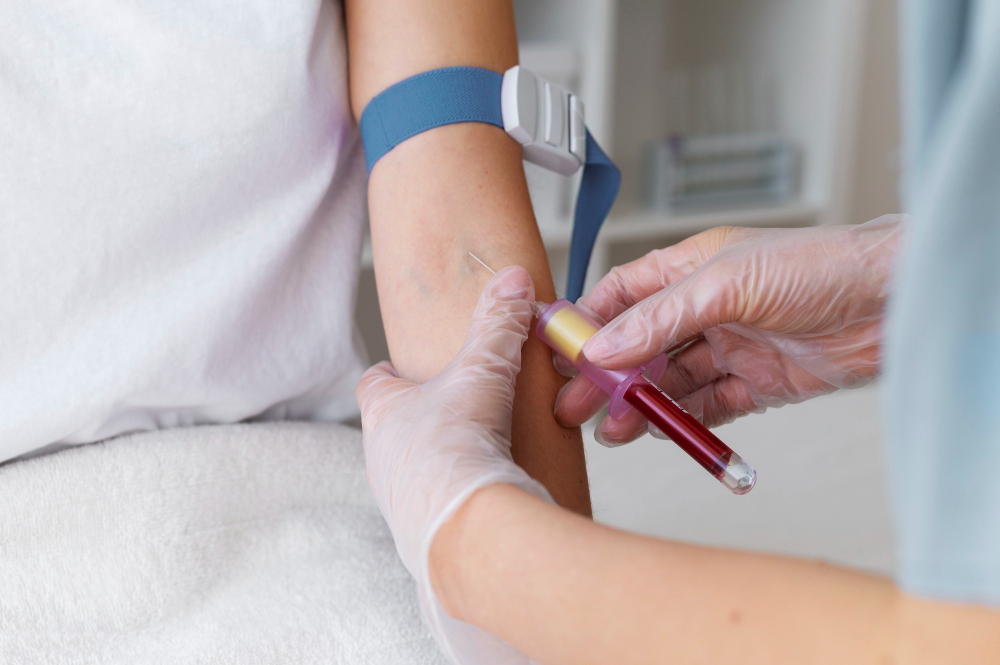
The quadruple marker test is simple and quick. First, a healthcare worker takes a small blood sample from your arm. Next, the sample goes to a lab for testing. Usually, you do not need to fast before the test. The whole process takes only a few minutes. Afterward, you can return to your normal activities. Results are often ready in one to two weeks. If you have questions, your doctor can explain the steps in detail.
What Do the Results Mean?
After the test, your doctor will review the results with you. The quadruple marker test results explained by your doctor will show if your baby has a higher or lower risk for certain conditions. For example, a high or low level of any marker may mean a higher risk. However, many factors can affect the results, such as:
Because the quadruple marker test accuracy is not 100%, it is a screening test only. If the results show a higher risk, your doctor may suggest more tests, like ultrasound or amniocentesis. In many cases, further testing shows the baby is healthy.
Risks and Limitations
The quadruple marker test is safe for both mother and baby. Since it only needs a blood sample, there are no major risks. Sometimes, you may feel mild pain or bruising where the needle goes in. However, this goes away quickly. There are some limitations to this test:
Because of these limits, always discuss your results with your doctor. They can help you understand what the results mean for you and your baby.
Frequently Asked Questions
When to Consult a Doctor
If you are pregnant and have questions about the quadruple marker test, talk to your doctor. For example, you should consult a doctor if:
Because every pregnancy is different, your doctor can give you advice that fits your needs. Early and regular check-ups help keep you and your baby healthy.
For personalized advice about the quadruple marker test, consult a fetal medicine specialist. They can guide you through every step and answer your questions.